Facebook
 X
X
 Pinterest
 Copy Link
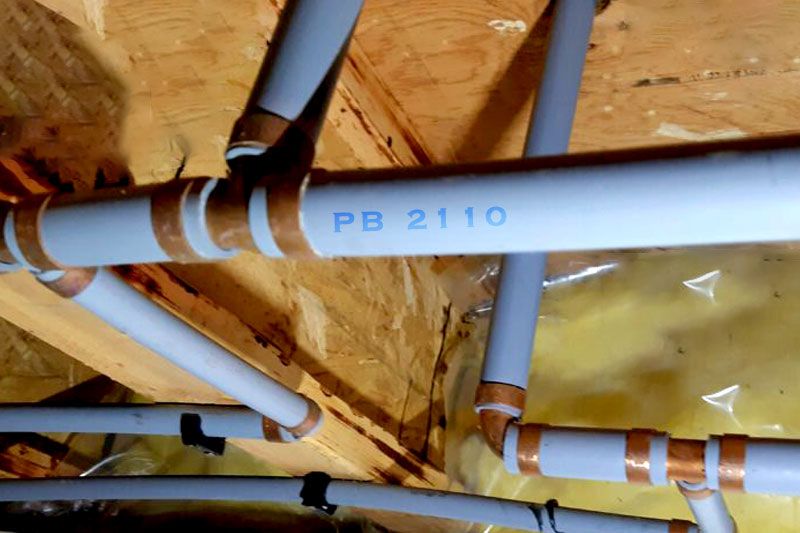
If you’re house hunting right now, this is one of those things you really want to understand early. I run into it more often than people expect, especially in certain age homes around Tucson and the surrounding areas. Polybutylene pipes can turn a great house into a complicated decision very quickly.
Let’s walk through what they are, why they matter, and how I guide my clients through it.
What Are Polybutylene Pipes?
Polybutylene pipes are a type of plastic plumbing that builders used heavily from the late 1970s through the mid 1990s. They were popular because they were inexpensive and easy to install.
Production largely stopped around 1995 after widespread failures and lawsuits. However, plumbers were still allowed to use existing inventory. That means you can still find polybutylene installed in homes built as late as the late 1990s.
I still see them pop up in Tucson homes, especially in properties built between about 1980 and 1998.
Why Did We Stop Using Them?
Short answer. They fail. And they tend to fail without much warning.
Polybutylene reacts poorly with oxidants like chlorine in municipal water systems. Over time, the pipes become brittle from the inside out. They can crack, leak, or burst suddenly.
It’s not always obvious during a showing either. The plumbing can look totally fine until it isn’t. That unpredictability is what made poly such a big issue nationwide.
Why This Matters Before You Write an Offer
If there is one takeaway here, it’s this. Try to find out if a home has polybutylene pipes before you write an offer.
I always do my best to check disclosures and dig into this upfront for my clients. Not every seller knows what kind of pipes they have, but if they do know, they are required to disclose it.
If you don’t find out until the inspection, you’ve already spent that inspection money. And if poly is a deal breaker for you, that’s money you don’t get back.
I’ve had buyers walk away for this exact reason.
Insurance Can Be a Challenge
This is where things can get tricky.
Some insurance companies will not insure a home with polybutylene pipes at all. Others will insure it, but the premiums can be higher or the coverage may be limited.
I’ve had clients fall in love with a home, only to hit a wall when we start calling insurance providers. That alone can kill a deal.
This is another reason I like to identify poly as early as possible.
Negotiating Repairs or Replacement
Yes, you can try to negotiate.
If you ask a seller to replace polybutylene pipes, make sure you look at the full picture. Re-piping often means opening walls, floors, and sometimes ceilings.
It’s not just the plumbing cost. It’s the drywall, tile, cabinetry, and everything that might need to be removed and rebuilt.
I recently had a client looking at a home with poly pipes and a beautifully remodeled bathroom. I mean, it was a really nice remodel. To replace the pipes, they likely would have had to tear into that entire wall and potentially undo a big part of the renovation.
That adds up quickly, and it changes the conversation.
What to Look for When You’re Touring Homes
You won’t always spot polybutylene right away, but here are a few things I keep an eye on:
-
Gray, blue, or sometimes black plastic piping
-
Pipes labeled “PB2110”
-
Plumbing visible near the water heater or under sinks
-
Homes built between 1978 and 1998.
If I suspect it, I flag it right away and we dig deeper.
Also, always read the Seller’s Property Disclosure Statement carefully. If the seller knows about polybutylene pipes, it should be disclosed there.
My Advice as You Shop
I never want something like this to surprise my clients during a transaction. It’s avoidable in many cases with the right questions early on.
Polybutylene pipes don’t automatically mean you should walk away. But they do mean you need to slow down, evaluate costs, and think through insurance and future risk.
For some buyers, it’s a hard no. For others, it’s a negotiation point.
Either way, it’s a conversation worth having before you fall in love with the house.
Have questions for me, give me a call or text at (541) 521-0145, or click here to go to my contact page.
You can also follow me on Instagram for behind the scenes marketing, new listings, and Tucson real estate updates. Click here to head to my Instagram!