Facebook
 X
X
 Pinterest
 Copy Link
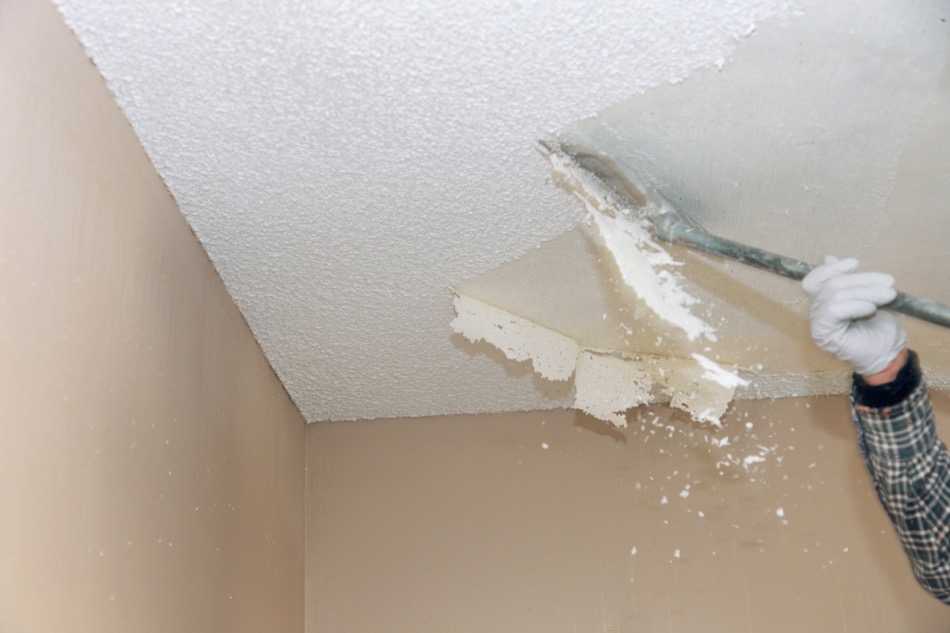
If you’re buying an older home, there’s a chance asbestos will come up at some point. I’ve had plenty of buyers get nervous the second they hear the word. I get it. It sounds serious, and no one wants to make a bad decision when buying a house.
But here’s the reality. Buying a home with asbestos is very common, especially in homes built before the 1980s. It’s not automatically a dealbreaker. Most of the time, it’s something we evaluate and manage, not panic over.
Let’s break it down in a practical way so you know what actually matters.
What Is Asbestos and Why Was It Used?
Asbestos is a naturally occurring mineral that builders used for decades because it resists heat, fire, and wear. It was affordable, durable, and easy to work with. That combination made it popular in all kinds of building materials.
Homes built from the 1930s through the late 1970s are the most likely to have it. Some materials into the 1980s still contained asbestos, but usage dropped off significantly after that.
Where You’ll Actually Find It in a Home
Most people think of popcorn ceilings, but that’s only one example. I always tell my clients that asbestos can show up in more places than they expect.
Common areas include:
- Ceiling materials, including non-popcorn textured ceilings
- Vinyl floor tiles, especially 9×9 tiles
- Older linoleum and flooring adhesives
- Pipe insulation and attic insulation
- Cement siding and roofing materials
- HVAC duct insulation
I’ve walked through homes where it shows up in one area, and others where it’s in several. It really just depends on the age and updates over time.
Buying a Home With Asbestos: What Buyers Get Wrong
This is where I see the most confusion.
A lot of buyers assume asbestos is immediately dangerous. That’s not usually the case. Asbestos becomes a health risk when fibers get disturbed and enter the air. If the material stays intact and undisturbed, it typically does not pose an active risk.
Another common misconception is that it always needs to be removed. That’s not true either. In many cases, encapsulation, or sealing the material, is a perfectly acceptable option.
I’ve had buyers feel relieved once they understand this. It takes the situation from scary to manageable pretty quickly.
Should You Test for Asbestos During the Inspection?
A standard home inspection does not automatically test for asbestos. If there’s a concern, you’ll need a specialized test.
I usually recommend testing if:
- You plan to renovate
- The material looks damaged or worn
- You want a clear answer before moving forward
If the home is in good condition and you don’t plan to disturb anything, testing may not be necessary. It really depends on your comfort level and your future plans for the home.
Remove It or Leave It Alone?
This is the big question, and the answer depends on the situation.
Removal makes sense if you’re planning to remodel or if the material is deteriorating. It also makes sense if you want complete peace of mind before moving in.
On the other hand, leaving it in place is often completely reasonable. If the asbestos is stable, intact, and not in an area you’ll disturb, it can safely remain.
Sealing is another option I talk through with clients. You can seal certain ceilings and flooring to prevent fibers from becoming airborne. That approach is often more cost-effective and less invasive than full removal.
What Does It Cost?
Costs vary depending on the size of the area and the type of material. Smaller jobs can cost a few hundred to a couple thousand dollars. Larger remediation projects can run several thousand or more.
This is where strategy comes in. I’ve negotiated repairs or credits around asbestos concerns before. It doesn’t have to stop a deal, and it often becomes just another part of the negotiation.
How Asbestos Affects a Real Estate Transaction
In my experience, asbestos rarely kills a deal on its own. It can affect how buyers feel, and that matters, but it usually comes down to understanding the situation.
If both sides stay reasonable, we can almost always find a path forward. Sometimes that means a credit. Sometimes it means sealing. Sometimes the buyer decides they’re comfortable as-is.
The key is having the right information and not making decisions based on fear.
A Quick Note for Tucson Buyers
Here in Tucson and the surrounding areas, we see a lot of homes built in the 1950s through the 1970s. That means asbestos is not unusual, especially in flooring, ceilings, and exterior materials.
I always walk my clients through what’s typical for the age of the home. When you know what’s normal, the process feels a lot less overwhelming.
Bottom Line
Buying a home with asbestos is more common than most people think. It’s not automatically a red flag, and it’s rarely a reason to walk away on its own.
What matters is the condition, your plans for the home, and how you choose to handle it. Once you understand those pieces, you can make a confident decision.
If you’re looking at older homes and want help figuring out what’s normal and what’s not, I’m always happy to walk through it with you.
Give me a call or text at (541) 521-0145, or click here to go to my contact page.
You can also follow me on Instagram for behind the scenes marketing, new listings, and Tucson real estate updates. Click here to head to my Instagram!